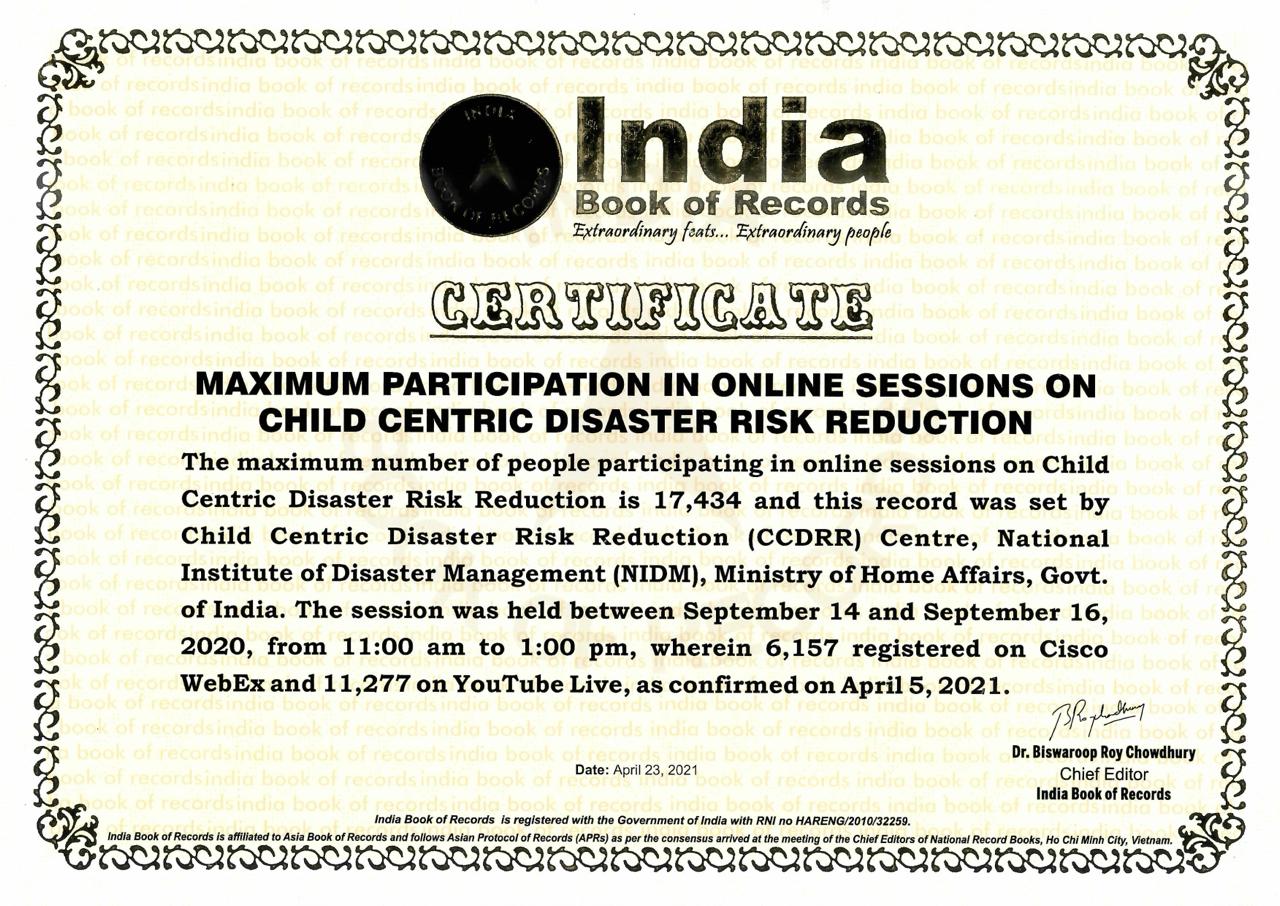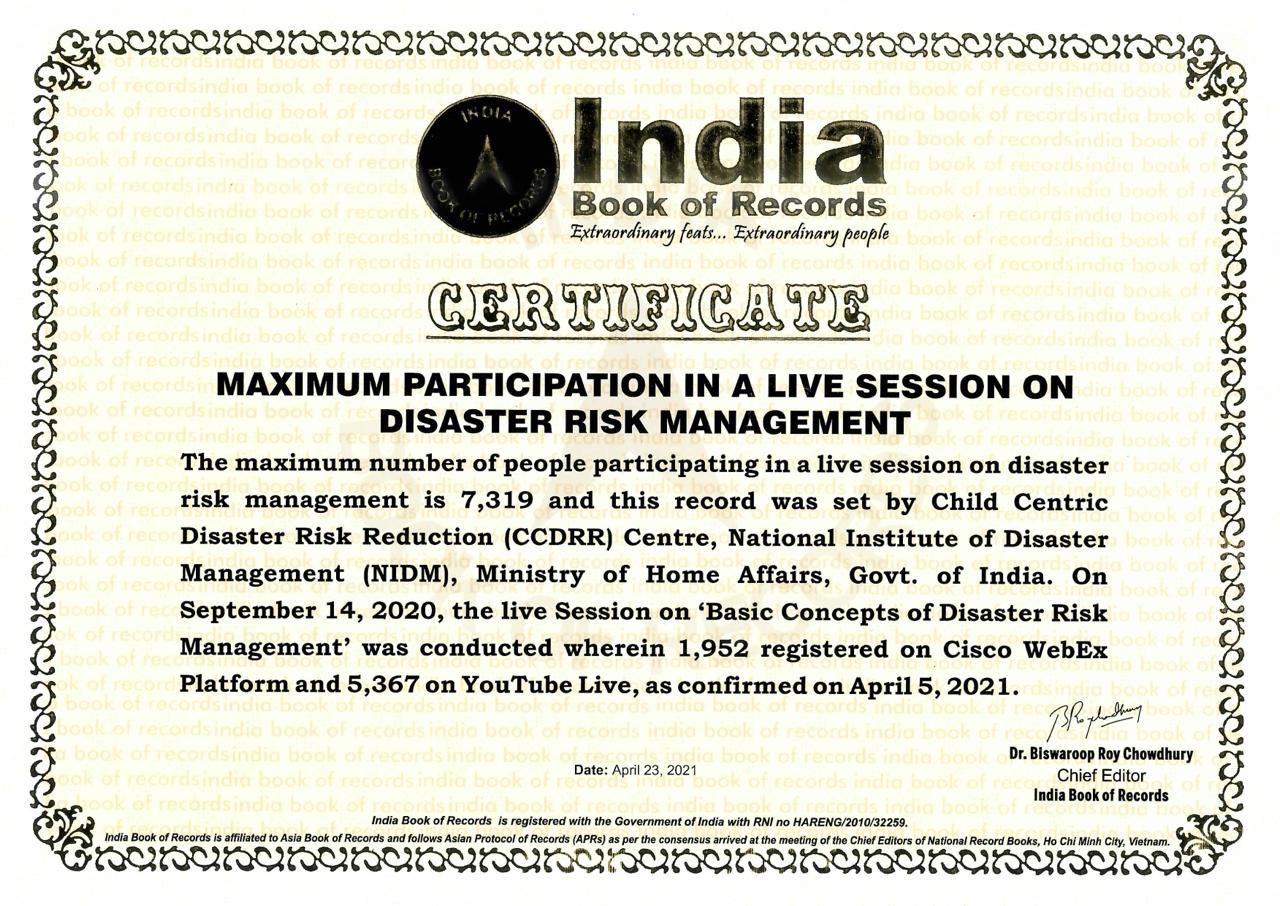

No disasters are truly natural. Humans and nature share an intrinsic relationship that maintains harmony, but imbalances in this dynamic are driving climate change, which in turn amplifies the frequency and intensity of disasters worldwide. Climate change adaptation (CCA) and disaster risk reduction (DRR) are closely interconnected strategies aimed at minimizing vulnerability and exposure to hazards—whether human-induced or otherwise—while enhancing human capacity and resilience. CCA focuses on adjusting to present and anticipated climate impacts, whereas DRR seeks to mitigate the origins and effects of disasters. Integrating these approaches is crucial for sustainable development, as CCA enables communities to adapt to climate effects and DRR helps curtail disaster risks, ultimately fostering greater resilience overall.
Our dream is to ensure that every individual, regardless of age, gender, ability, or background, has equitable access to quality education, comprehensive health care, sustainable livelihood opportunities, and a society free from exploitation and violence.

Education is the most powerful tool to level the playing field, offering every individual an equal opportunity...
Read More
We believe that economic independence is the cornerstone of a dignified life. Our livelihood programs equip...
Read More
We believe true health encompasses physical, mental, and social well-being – not merely the absence of disease...
Read More
We implement Inclusive Disaster Risk Reduction initiatives & practices that prioritize children, women, persons with disabilities...
Read More
We reaffirm our unwavering commitment to build a safer, disaster-resilient India and the World through a holistic, proactive, technology-driven, and sustainable development strategy. This involves all stakeholders, prioritizing vulnerable groups like children, women, elderly, PoD, and marginalized communities, and fosters a culture of prevention, preparedness, and mitigation. Aligned with the Sendai Framework, DM Act 2005, SDGs, and Paris Agreement, it integrates education, livelihood, and health programs to enhance resilience against disasters and climate impacts for all.

The story of the Two Hour Program at Ark Foundation is a testament to the transformative power of small acts of kindness and the ripple effect they can create in communities. It all began when a tea seller near the Jawaharlal Nehru University (JNU) campus approached one of the Masters students..

To create a world where every individual, particularly those vulnerable groups such as children, women, the elderly, persons with disabilities, marginalized communities, refugees, and low-income, enjoys the right to the life free from vulnerabilities and the opportunities to thrive in the future.